
Insights
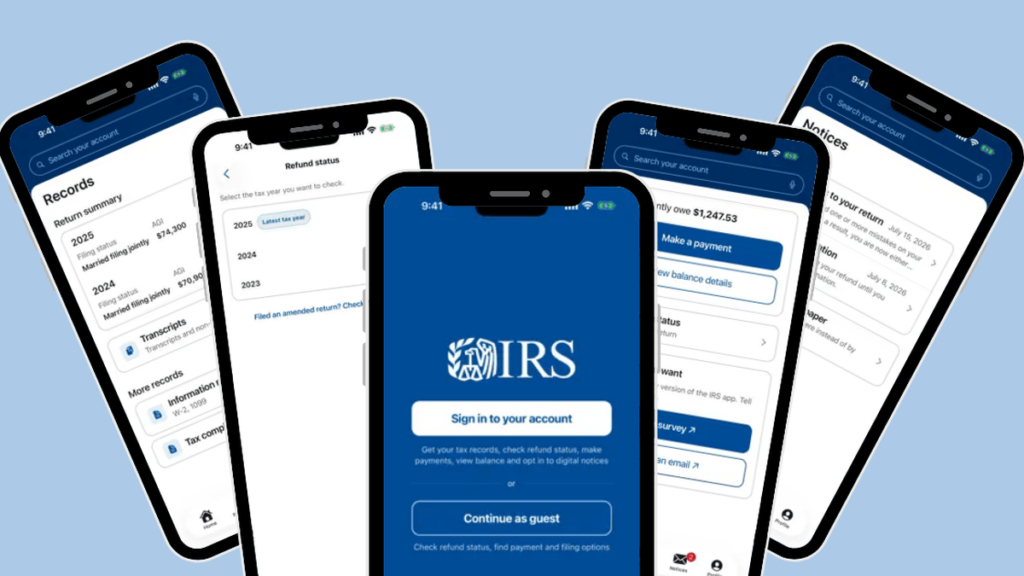
The IRS has a new mobile app. Here’s what taxpayers can do with it.
The IRS has launched a new mobile app that replaces IRS2Go, giving taxpayers quick access to refund status, payment history, tax records, IRS notices, and Identity Protection PINs. This article walks through what the app can do and how to use it safely. If something in your IRS account raises questions, a tax professional can help you make sense of it.

IRS introduces automatic penalty relief for taxpayers with a strong compliance history
The IRS is replacing its First Time Abate program with a new Automatic Exemption from Penalty (AEP), which will automatically prevent certain penalties for eligible taxpayers with a strong compliance history. Starting with 2025 tax year returns and 2026 quarterly returns, qualifying individuals and businesses may avoid failure-to-file, failure-to-pay, and failure-to-deposit penalties without needing to call the IRS or submit a separate request. Understanding the eligibility requirements and transition timeline is key to making the most of this change.

Fraud prevention strategies for nonprofit organizations
Nonprofits are disproportionately vulnerable to occupational fraud due to small administrative teams, part-time board oversight, and heavy reliance on cash-based transactions. Asset misappropriation schemes such as skimming, billing fraud, and expense reimbursement abuse are among the most common threats, and the typical scheme goes undetected for over a year. By implementing practical internal controls, strengthening board oversight, and engaging a CPA proactively, nonprofits can significantly reduce their exposure before a loss occurs.

IRS raises the standard mileage rates for the second half of 2026
The IRS raised the standard mileage rates for the second half of 2026, effective July 1, with the business rate increasing from 72.5 cents to 76 cents per mile. Taxpayers who use their vehicle for business, medical, or qualifying moving purposes will need to track mileage separately for each half of the year. Learn what the new rates mean for your deductions, reimbursement policies, and recordkeeping.

Why homeowners need to track improvements before a sale or inheritance
As home values rise, the federal home sale exclusion may no longer be enough to eliminate capital gains tax when a property is sold or inherited. The difference between a large tax bill and a smaller one can come down to how well a homeowner documented capital improvements over the years. Keeping a permanent record of qualifying expenses is one of the simplest steps homeowners can take to protect themselves.

Cash flow forecasting as a leadership tool
Most business owners rely on backward-looking financials that tell them where they have been, not where they are going. A cash flow forecast fills that gap by projecting future inflows and outflows, helping leaders spot problems early and make smarter decisions about hiring, investing, and financing. Updated consistently and tied to real business decisions, it shifts leadership from reactive to proactive.

State tax nexus in 2026: what business owners need to know about unexpected tax obligations
If your business sells online, has remote employees, or uses third-party fulfillment, you may owe taxes in states where you've never filed a return. Learn how physical presence and economic nexus rules work, what triggers an obligation, and what to do if your business has unexpected exposure.

When and why every business owner needs a business valuation
Most business owners carry a rough estimate of what their company is worth, but that mental number is not a valuation, and the gap between the two can be costly. A formal, methodology-based business valuation is required in a wide range of situations, including selling or transferring a business, estate planning, lending, divorce, equity compensation, and shareholder disputes. Working with a credentialed valuator and involving your CPA early ensures the resulting number is defensible when it matters most.

Conservation easements: what they are and why the IRS is watching
Conservation easements have a legitimate place in tax and estate planning, but for years promoters have been packaging them into abusive investment schemes that have drawn IRS enforcement. If you've been approached with one of these arrangements, or if you've already participated in a prior year, the consequences of getting this wrong include disallowed deductions, steep penalties, and in serious cases, criminal prosecution. This article breaks down how legitimate easements work, what the abusive versions look like, and what steps to take if you have questions about your situation.

Newly married this year? The tax changes couples miss
Getting married triggers significant tax changes that catch many couples off guard, from a new filing status that takes effect the moment you say "I do," to withholding gaps that can result in an unexpected tax bill in April. Beyond filing and withholding, newlyweds also need to address name and address updates, healthcare coverage decisions, HSA eligibility changes, and dependent-related credits before year-end. Tackling these adjustments proactively, rather than waiting until tax season, helps couples avoid penalties, protect their refunds, and start their financial life together on solid footing.

The retirement deduction mistake self-employed business owners keep making
If you are self-employed and contributing to a SEP IRA, SIMPLE IRA, or solo 401(k), you may be deducting your retirement contributions in the wrong place on your tax return without even knowing it. This common mistake doesn't just misplace a number; it can distort your self-employment tax calculation, throw off your allowable contribution amount, and cost you money. Read on to learn where the deduction actually belongs, why the distinction matters more than most people realize, and how choosing the right plan could potentially double your tax-sheltered savings.

Filed an extension? How to use the time between now and October 15th
Filing a tax extension buys you time, but only if you use it wisely. From revisiting your April payment estimate to gathering missing documents and staying on top of current-year obligations, the months between now and October 15th are a valuable planning window. Read on to learn how to make the most of your extension and avoid a costly repeat of the same tax challenges next year.
No results found.