
Financial Resources & News

Spring cleaning your finances: eliminating subscription and asset drift
Financial clutter, from forgotten subscriptions to dormant accounts, can quietly drain your cash flow and complicate your financial picture. A periodic review of your recurring charges, overlooked assets, and automated systems can uncover savings and restore clarity. Learn simple steps to ensure your money and financial systems are working as efficiently as possible.

Your HSA isn’t a debit card: building a tax efficient healthcare reserve
Most people use their HSA like a medical debit card, but the account is capable of much more. With a rare triple tax advantage and flexible reimbursement rules, the HSA can serve as a powerful long-term healthcare reserve. Read on to learn how to make the most of it.

Behind the humor: the tax misunderstandings that cost real money
Laugh at the most relatable tax misunderstandings – then learn the real rules on service animals, business travel, multi-state filing, and how the IRS actually detects discrepancies.

A smarter way to manage your taxes: inside the IRS online account
The IRS Individual Online Account gives taxpayers secure, year-round access to tax records, balances, payments, and official notices all in one place. Read on to discover how this powerful tool works and how it can make staying on top of your taxes easier than ever.
Your 2026 tax season survival guide
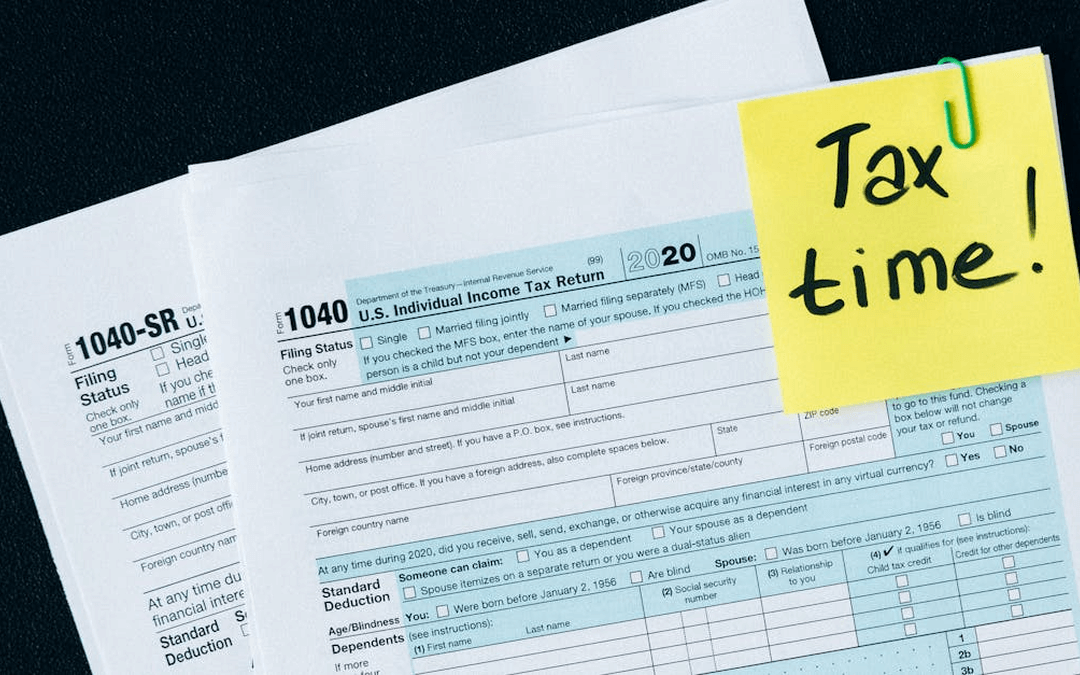
For most people, tax season brings a quiet panic about what they might be forgetting and a last-minute rush to pull everything together before the deadline. But it doesn’t have to be that way. With just a little preparation, you can avoid surprises, minimize your tax bill, and make the entire process smoother for both you and your advisor.

The mega backdoor Roth: a straightforward strategy for high earners locked out of Roth IRAs
For high-income professionals locked out of traditional Roth contributions, mega Roth conversions offer a powerful alternative. By contributing after-tax dollars to fill unused space under the $72,000 annual 401(k) limit and immediately converting them to Roth, eligible savers can funnel tens of thousands annually into tax-free growth.

IRS clarifies 100% first-year bonus depreciation rules
The IRS recently issued new guidance clarifying how the permanent 100% bonus depreciation deduction will work moving forward. This allows businesses to fully deduct the cost of qualified property in the year it’s placed in service, rather than depreciating it over several years.

2025 Year-End Tax Planning Guide for Private Companies
This guide is a resource for understanding the most pressing tax issues facing private companies as 2025 closes and a new year begins. It covers important tax developments over the past year and offers practical insights and actionable planning strategies.

Inflation-adjusted tax provisions: 2026 updates
Discover the latest inflation-adjusted tax changes for the 2026 tax year, driven by the One, Big, Beautiful Bill Act (OBBBA). From standard deduction hikes and modified marginal tax rate thresholds to expanded credits for adoption and employer-provided childcare, these updates can significantly influence your financial planning. Delve into how these modifications could impact your taxes and optimize your strategy for the upcoming year.