
Financial Resources & News
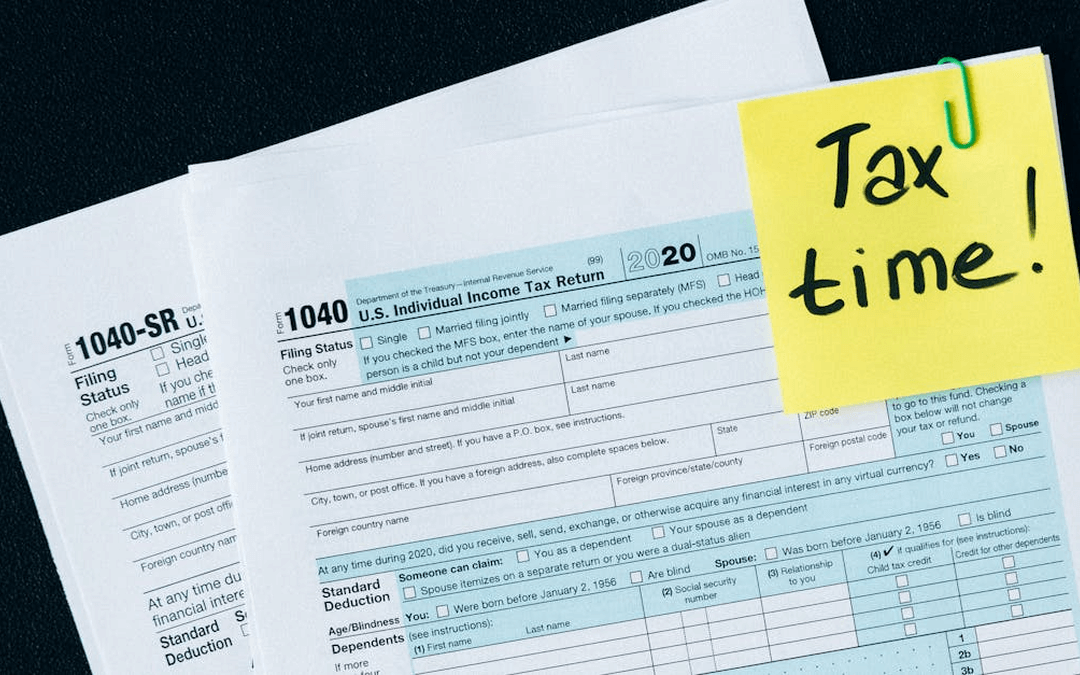
Your 2026 tax season survival guide
For most people, tax season brings a quiet panic about what they might be forgetting and a last-minute rush to pull everything together before the deadline. But it doesn’t have to be that way. With just a little preparation, you can avoid surprises, minimize your tax bill, and make the entire process smoother for both you and your advisor.

The mega backdoor Roth: a straightforward strategy for high earners locked out of Roth IRAs
For high-income professionals locked out of traditional Roth contributions, mega Roth conversions offer a powerful alternative. By contributing after-tax dollars to fill unused space under the $72,000 annual 401(k) limit and immediately converting them to Roth, eligible savers can funnel tens of thousands annually into tax-free growth.

IRS clarifies 100% first-year bonus depreciation rules
The IRS recently issued new guidance clarifying how the permanent 100% bonus depreciation deduction will work moving forward. This allows businesses to fully deduct the cost of qualified property in the year it’s placed in service, rather than depreciating it over several years.

2025 Year-End Tax Planning Guide for Private Companies
This guide is a resource for understanding the most pressing tax issues facing private companies as 2025 closes and a new year begins. It covers important tax developments over the past year and offers practical insights and actionable planning strategies.

Tax breaks for tipped workers: qualifying for the new deduction
Discover how the groundbreaking “no tax on tips” provision in the new One, Big, Beautiful Bill (OBBBA) could transform the take-home pay for millions of tip-reliant workers starting in 2025. Learn which occupations qualify, the specific conditions required, and how to prepare for maximized savings under this potentially game-changing deduction.

Preparing for the end of federal paper checks
Executive Order 14247 directs federal agencies to phase out paper checks for refunds, benefits, and contracts. Here’s who’s affected and how to prepare.

Debt-financed distributions for pass-throughs: how they work and when they make sense
When a pass-through business takes out a loan at the entity level and immediately distributes the borrowed funds to its owners, this is considered a debt-financed distribution. This maneuver provides owners with immediate liquidity without triggering a current tax bill, as long as they have sufficient tax basis to cover the distribution.

Incentive units: how partnership-style equity can reward talent without a surprise tax bill
Non-public pass-through companies can’t flash the same liquid stock options that publicly traded C-corporations deploy, but a profits interest solves the problem by letting newcomers participate only in growth that occurs after the grant date – with no immediate tax bill for either party. Learn more in our article.

Personal Guarantees: Costly Risk or Tax Leverage?
Banks want an extra layer of security for business loans, and a personal guarantee delivers it – but for partnership owners, there’s a hidden tax advantage most overlook. This synthetic capital injection can turn a necessary business risk into meaningful tax leverage, provided you understand the mechanics and monitor the potential pitfalls.