
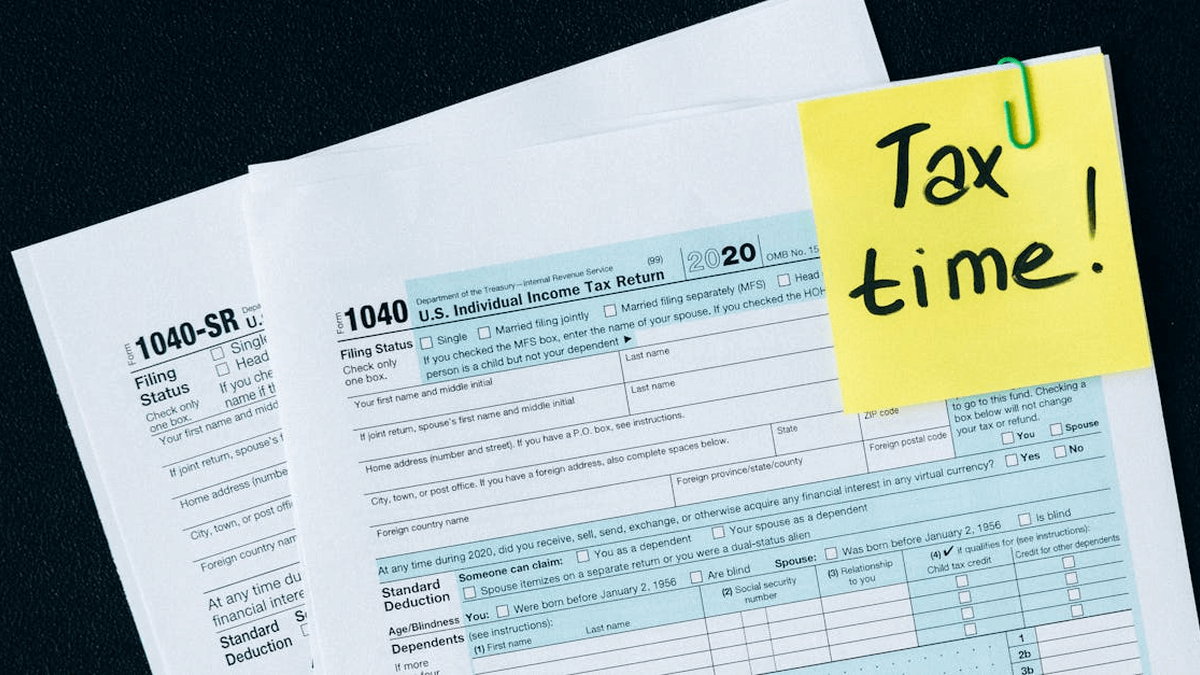
For many people, tax season brings a quiet sense of panic about what they might be forgetting and a last-minute rush to gather everything together before the deadline. But it doesn’t have to be that way. With just a little preparation, you can avoid surprises, minimize your tax bill, and make the entire process smoother for both you and your advisor.
Here are a few simple ways to stay ahead this year.
Start with the basics: Know what documents you’ll need
First things first: tax season is mostly about documentation. When you can gather what’s needed early, the rest of the process tends to fall into place.
You’ll need your Social Security Number, current address, and information for any dependents. Gather documents for all income, which include W-2s, 1099s, K-1s, and brokerage statements. For above-the-line deductions, collect IRA and HSA contribution statements and any student loan interest. For itemized deductions, gather your mortgage statement, property tax payments, state and local tax payments, charitable donations, and all medical expenses. Don’t forget to compile health insurance details if you’re self-employed or bought coverage through the marketplace. Be sure to collect documentation for childcare expenses, education expenses, and any expenditures on energy efficiency. Finally, note any major events that may have occurred, such as a birth, death, change in marital status, sale of a home, or sale of a business.
Be patient with late or corrected forms
Once you have your paperwork is organized, the next step is knowing when to file. While it’s tempting to file early and check taxes off your list, doing so can sometimes create complications, especially if you have investments or receive K-1s from partnerships. Some custodians aren’t required to issue 1099s until mid-February or later and corrected forms may show up weeks later.
While early organization is key, it’s wise to wait until everything is in before filing. This helps you avoid the hassle of filing an amended return due to late or revised documents.
Don’t miss these overlooked deductions and credits
This is the time of year when easy wins are often missed.
If you’re self-employed and paying for your own health insurance, those premiums may be deductible. Health Savings Account contributions are another overlooked tool for reducing taxable income. Childcare expenses, educational costs, and charitable donations can all provide meaningful tax relief.
If you made retirement contributions to a SEP IRA, solo 401(k), or traditional IRA, those may be deductible as well, depending on your income and the type of plan. Even if you haven’t claimed these deductions in past years, it’s worth revisiting them now. Tax laws change, and so does life.
New deductions under the One Big Beautiful Bill Act
The One Big Beautiful Bill Act, signed into law on July 4, 2025, introduced several new deductions that could meaningfully reduce your taxable income this year. Here’s what to know.
Tip income. Workers in tipped occupations may deduct qualified tips from federal taxable income, up to $25,000 for married couples filing jointly, with lower limits for other filers. This deduction begins to phase out for taxpayers with modified adjusted gross income above $150,000 (or $300,000 for joint filers). Strict eligibility requirements apply, so verify you meet the requirements before claiming it.
Overtime pay. The premium portion of overtime compensation—such as the “half” in time-and-a-half—may now be deductible, up to $12,500 annually ($25,000 for joint filers). This applies to overtime required under the Fair Labor Standards Act and is subject to the same income phase-outs as the tip deduction.
Car loan interest. Individuals may now deduct up to $10,000 in interest paid on loans used to purchase a new vehicle for personal use. The vehicle must be new, and the deduction phases out for taxpayers with modified adjusted gross income above $100,000 ($200,000 for joint filers). Lease payments do not qualify.
Additional deduction for seniors. Individuals age 65 and older may claim an additional $6,000 deduction on top of the standard deduction ($12,000 for married couples where both spouses qualify). This deduction begins to phase out for taxpayers with modified adjusted gross income above $75,000, or $150,000 for joint filers.
These provisions have detailed requirements, income limits, and documentation standards. Working with a qualified tax advisor can help ensure you’re both complying with the latest rules and making the most of every available deduction.
If you run a business, don’t overlook these tasks
If you own a business, there are a few extra steps to keep in mind.
File your business return first if you’re an S corporation or partnership. Your business return typically needs to be filed before your personal return. That’s because the K-1 which reports your share of the company’s income, deductions, and credits flow through to your individual tax return. Delays in filing your business return can slow down the rest of your tax process.
Ensure your books are up to date, or that your bookkeeper has everything they need to close out the year. This includes reconciling bank accounts, categorizing expenses, and flagging any unusual income or reimbursements.
If you paid independent contractors more than $600 last year, you’re likely required to send them a 1099-NEC by February 2nd. Missing that deadline can result in penalties, so confirm that all required forms have been issued.
Now is also a good time to review your mileage logs, home office expenses, and any business-related travel or meals you may have paid for out of pocket. Better records mean more deductions—and more confidence if your return is ever audited.
Understand your deadlines – and what an extension really means
As you organize your documents, keep an eye on key deadlines. For most taxpayers, the filing deadline this year is April 15, 2026. Some states may have different dates, especially if disaster declarations are involved.
If you’re not ready to file by then, you can request an extension—but remember: an extension gives you more time to file, not more time to pay. If you expect to owe taxes and don’t make a payment by April 15, interest and penalties may still apply. That’s why it’s often better to submit an estimated payment with your extension rather than underestimate what you owe.
Why professional guidance matters
Even seemingly simple returns can involve layers of complexity. If you’ve experienced a major life event—a marriage, divorce, inheritance, or the sale of a business—those changes often have tax consequences that aren’t always obvious upfront.
Equity compensation like stock options and RSUs, cryptocurrency transactions, and passive income from K-1s are all areas where thorough documentation and nuanced reporting are critical. Multi-state income and prior IRS notices also call for a closer look.
Tax software can’t always identify issues—or opportunities—that an experienced CPA will catch. And by the time errors surface, they can be costly to correct. Bringing in a professional early helps ensure compliance with the current rules, optimizing your outcome, and avoiding unpleasant surprises down the road.
A little preparation goes a long way
The more organized you are now, the less time you’ll spend hunting down paperwork or worrying about what you might have missed. Filing on time and accurately reduces the risk of missed deductions, triggering penalties, or rushed decisions that can’t be undone later.
If you’re not sure whether your current process is still serving you well, this is the perfect time to ask. A little guidance now can prevent a lot of cleanup later.
For more personalized support, please contact our office. We’re happy to help you navigate this tax season and beyond.